January 22, 2026
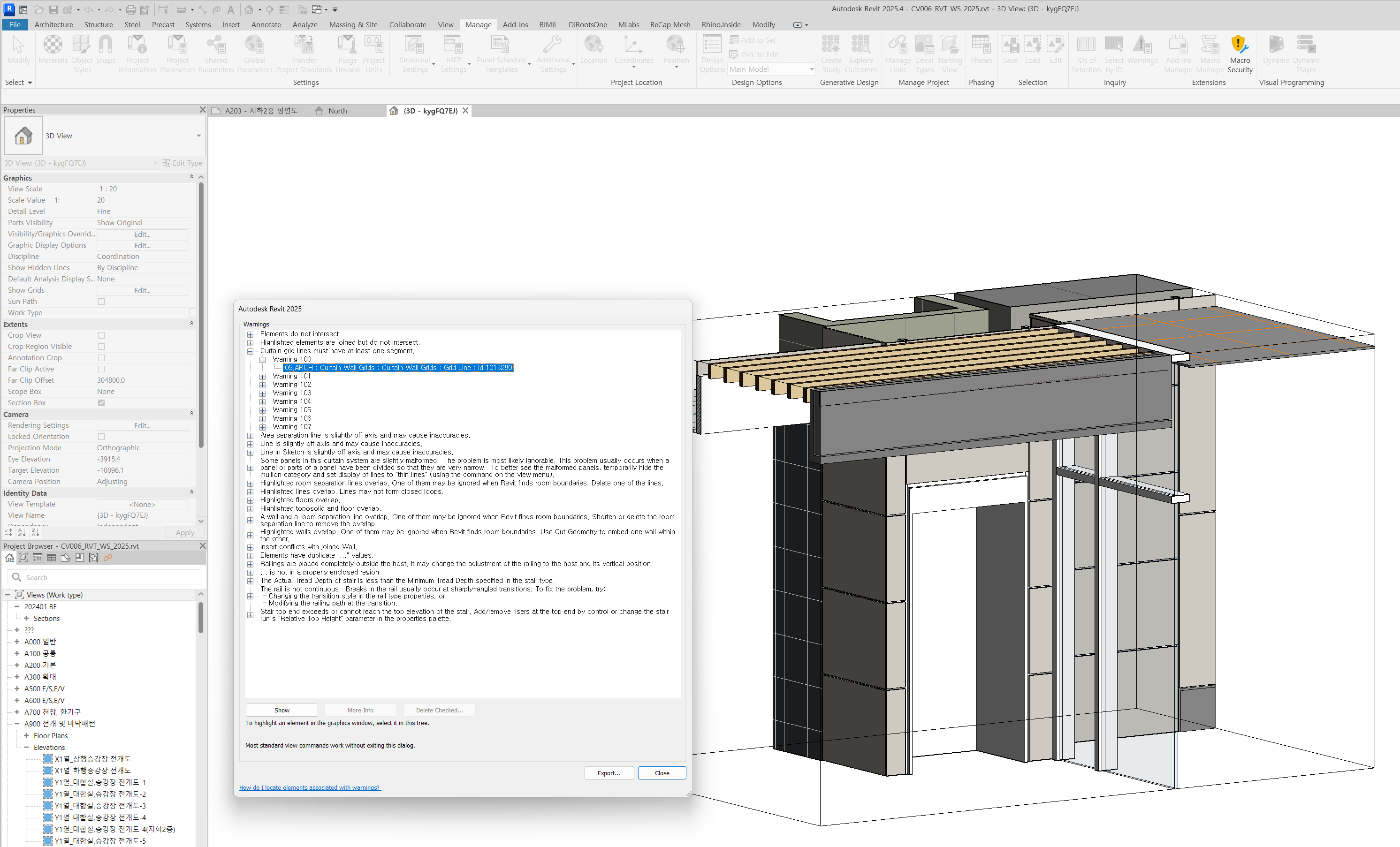
Revit Warnings 레빗 경고 제거하기
REVIT, 작업
KYG
Establishing a consistent documentation framework
Managing documentation across multiple green energy projects requires a structured approach from the beginning. Organizations often find themselves overwhelmed by the various reports, permits, and compliance documents needed for each initiative. Creating a standardized template system helps teams maintain consistency while reducing the time spent searching for specific information. A well-organized documentation framework ensures that all stakeholders can access the information they need when they need it.
The benefits of systematic documentation extend beyond simple organization. When teams follow established protocols, they reduce the risk of missing critical deadlines or overlooking important compliance requirements. This structured approach also makes it easier to onboard new team members and share knowledge across different projects within the organization.
Understanding your stakeholder reporting requirements
Different stakeholders require different types of information at various intervals throughout a project's lifecycle. Donors may need quarterly financial reports, while local communities might benefit from monthly progress updates. Understanding these varying needs helps organizations create targeted communication strategies that keep everyone informed without creating unnecessary work for project teams.
Mapping out reporting requirements early in the project planning phase allows teams to build these deliverables into their regular workflows. This proactive approach prevents last-minute scrambling to compile information and ensures that reports are both timely and comprehensive.
Setting up your project timeline effectively
A realistic project timeline accounts for all phases of implementation, from initial planning through final evaluation. Many organizations underestimate the time required for community engagement, permitting processes, and equipment procurement. Building in buffer time for unexpected delays helps teams stay on track even when challenges arise.
Regular timeline reviews allow project managers to identify potential bottlenecks before they become critical issues. Adjusting schedules based on actual progress rather than ideal scenarios creates more achievable milestones and reduces stress for team members working to meet deadlines.
KYG
Architect
NEVERMASS의 대표 건축사. 모든 수준의 기술에 관심이 많습니다.

January 22, 2026
Revit Warnings 레빗 경고 제거하기
REVIT, 작업
KYG
Establishing a consistent documentation framework
Managing documentation across multiple green energy projects requires a structured approach from the beginning. Organizations often find themselves overwhelmed by the various reports, permits, and compliance documents needed for each initiative. Creating a standardized template system helps teams maintain consistency while reducing the time spent searching for specific information. A well-organized documentation framework ensures that all stakeholders can access the information they need when they need it.
The benefits of systematic documentation extend beyond simple organization. When teams follow established protocols, they reduce the risk of missing critical deadlines or overlooking important compliance requirements. This structured approach also makes it easier to onboard new team members and share knowledge across different projects within the organization.
Understanding your stakeholder reporting requirements
Different stakeholders require different types of information at various intervals throughout a project's lifecycle. Donors may need quarterly financial reports, while local communities might benefit from monthly progress updates. Understanding these varying needs helps organizations create targeted communication strategies that keep everyone informed without creating unnecessary work for project teams.
Mapping out reporting requirements early in the project planning phase allows teams to build these deliverables into their regular workflows. This proactive approach prevents last-minute scrambling to compile information and ensures that reports are both timely and comprehensive.
Setting up your project timeline effectively
A realistic project timeline accounts for all phases of implementation, from initial planning through final evaluation. Many organizations underestimate the time required for community engagement, permitting processes, and equipment procurement. Building in buffer time for unexpected delays helps teams stay on track even when challenges arise.
Regular timeline reviews allow project managers to identify potential bottlenecks before they become critical issues. Adjusting schedules based on actual progress rather than ideal scenarios creates more achievable milestones and reduces stress for team members working to meet deadlines.
KYG
Architect
NEVERMASS의 대표 건축사. 모든 수준의 기술에 관심이 많습니다.
January 22, 2026
Revit Warnings 레빗 경고 제거하기
REVIT, 작업
KYG
Establishing a consistent documentation framework
Managing documentation across multiple green energy projects requires a structured approach from the beginning. Organizations often find themselves overwhelmed by the various reports, permits, and compliance documents needed for each initiative. Creating a standardized template system helps teams maintain consistency while reducing the time spent searching for specific information. A well-organized documentation framework ensures that all stakeholders can access the information they need when they need it.
The benefits of systematic documentation extend beyond simple organization. When teams follow established protocols, they reduce the risk of missing critical deadlines or overlooking important compliance requirements. This structured approach also makes it easier to onboard new team members and share knowledge across different projects within the organization.
Understanding your stakeholder reporting requirements
Different stakeholders require different types of information at various intervals throughout a project's lifecycle. Donors may need quarterly financial reports, while local communities might benefit from monthly progress updates. Understanding these varying needs helps organizations create targeted communication strategies that keep everyone informed without creating unnecessary work for project teams.
Mapping out reporting requirements early in the project planning phase allows teams to build these deliverables into their regular workflows. This proactive approach prevents last-minute scrambling to compile information and ensures that reports are both timely and comprehensive.
Setting up your project timeline effectively
A realistic project timeline accounts for all phases of implementation, from initial planning through final evaluation. Many organizations underestimate the time required for community engagement, permitting processes, and equipment procurement. Building in buffer time for unexpected delays helps teams stay on track even when challenges arise.
Regular timeline reviews allow project managers to identify potential bottlenecks before they become critical issues. Adjusting schedules based on actual progress rather than ideal scenarios creates more achievable milestones and reduces stress for team members working to meet deadlines.
KYG
Architect
NEVERMASS의 대표 건축사. 모든 수준의 기술에 관심이 많습니다.